
![Y type Strainer[Cast Iron Body & SS304 Mesh] — YS006](../assets/img/products/ys006.webp)
![Angle Globe Valve DIN PN16 [Cast Iron] — J44W131](../assets/img/products/j44w131.webp)
![Globe Valve DIN3202 F1 PN16 [Cast Iron] — J41W101](../assets/img/products/j41w101.webp)
Gate Valves
Resilient Seated vs Metal Seated Gate Valves in Water and Process Lines
Explain the two gate-valve families MIC lists so a waterworks buyer can specify the right seat.
- A resilient seated gate valve uses an elastomer-covered wedge that seals against a smooth body seat. It is the default isolation valve in clean water and many municipal lines because it shuts drop-tight on clear fluids.
- A metal seated gate valve uses metal-to-metal seating. It is specified where temperature, abrasive particles, or the process fluid would damage an elastomer seat.
- Non-rising stem (NRS) gate valves keep the stem inside the bonnet, which helps in pits, chambers, and other low-headroom installations. Rising-stem designs show stem position but need vertical clearance.
- MIC Valve lists resilient seated type, metal seated type, and knife gate valves as separate families. Several resilient seated listings cite BS5163, a common waterworks gate-valve standard. Confirm the standard, DN, and stem type on the quotation.
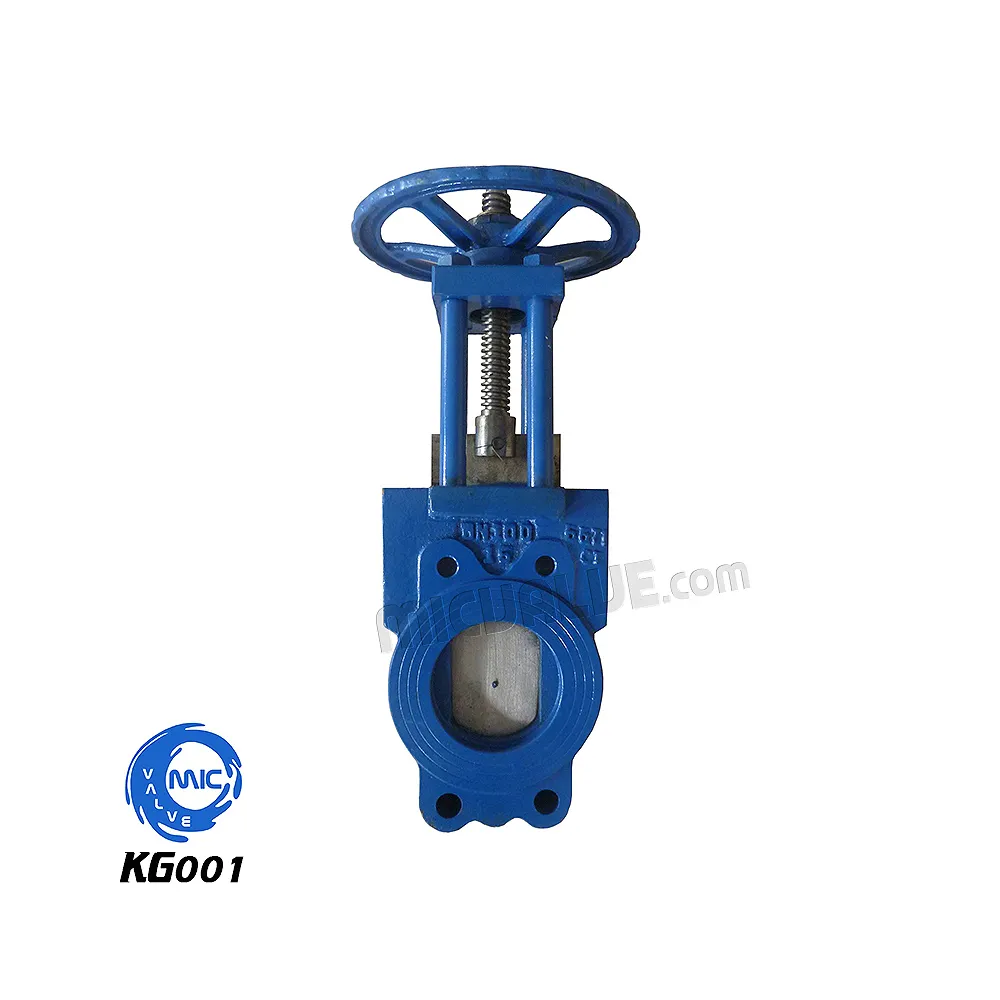
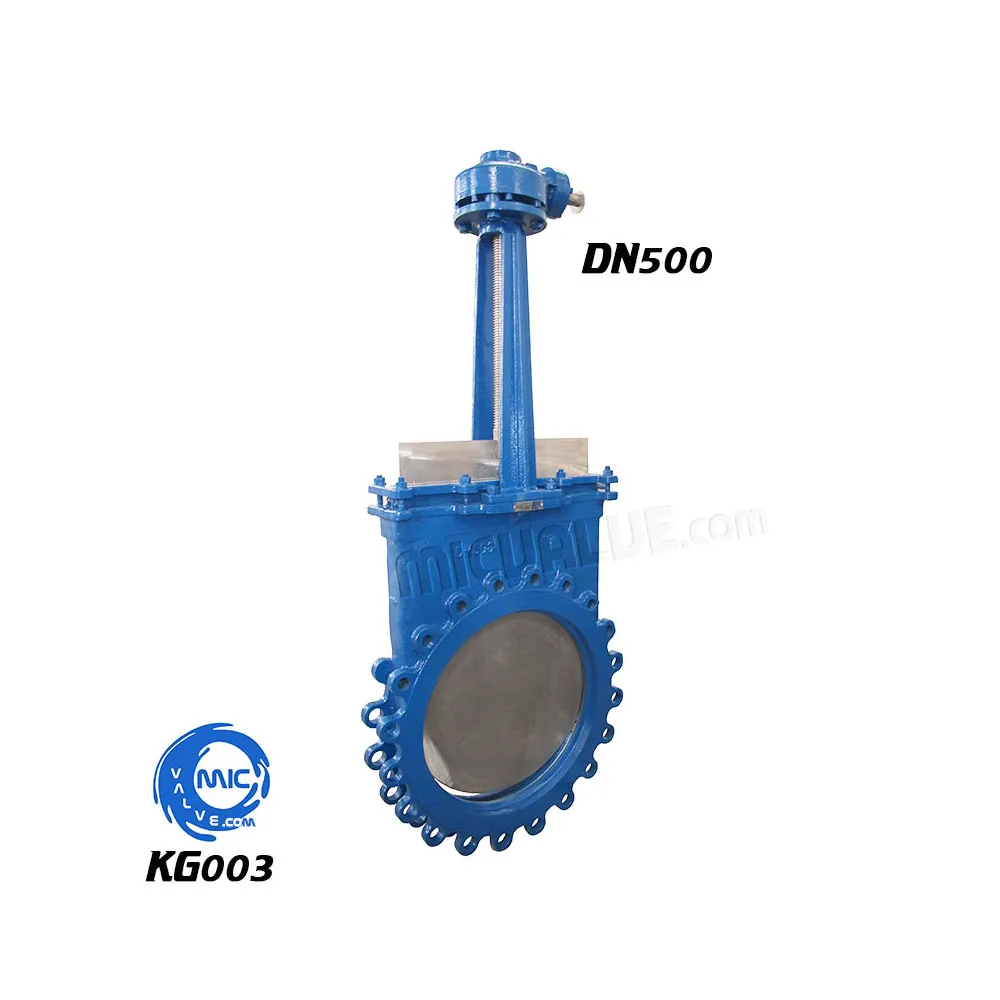
- Knife gate valves are a different geometry: a thin gate that cuts through slurry or wastewater. Do not treat a knife gate as a substitute for a BS5163 resilient seated waterworks valve.