
![Y type Strainer[Cast Iron Body & SS304 Mesh] — YS006](../assets/img/products/ys006.webp)
![Angle Globe Valve DIN PN16 [Cast Iron] — J44W131](../assets/img/products/j44w131.webp)
![Globe Valve DIN3202 F1 PN16 [Cast Iron] — J41W101](../assets/img/products/j41w101.webp)
Butterfly Valves
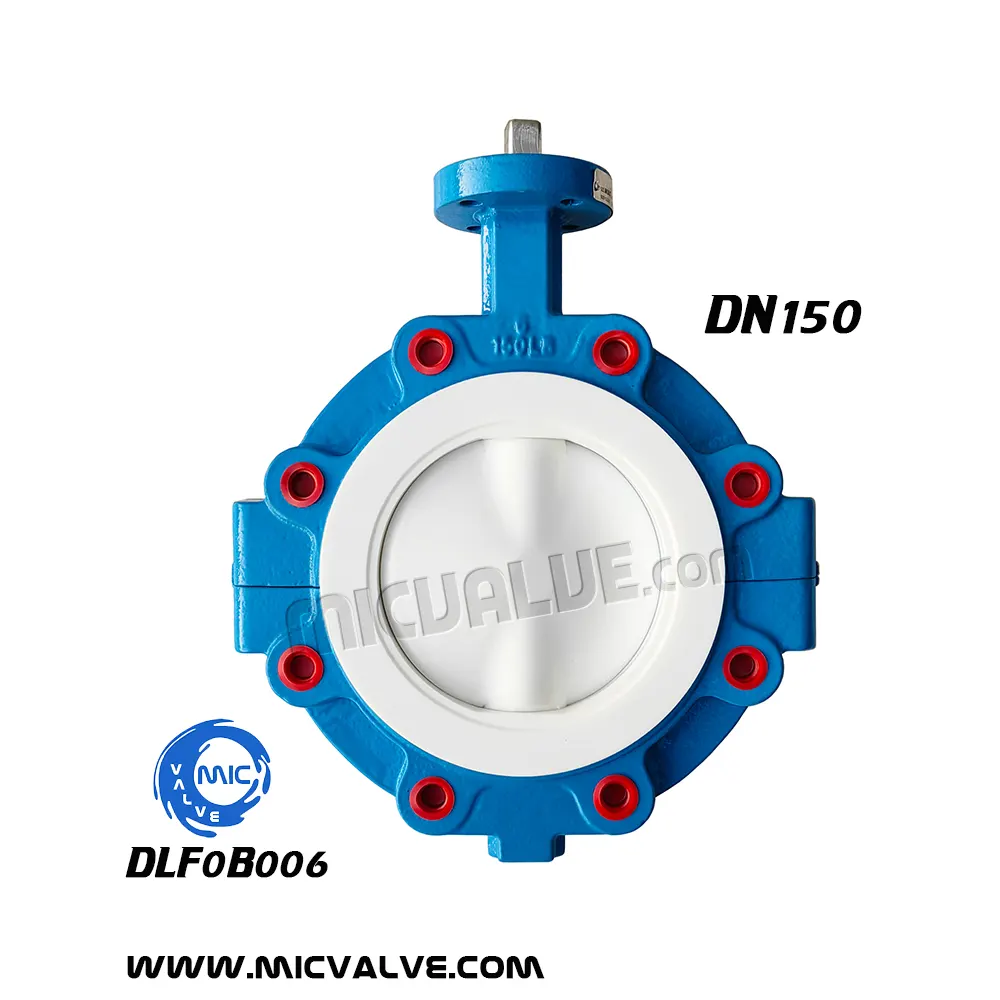
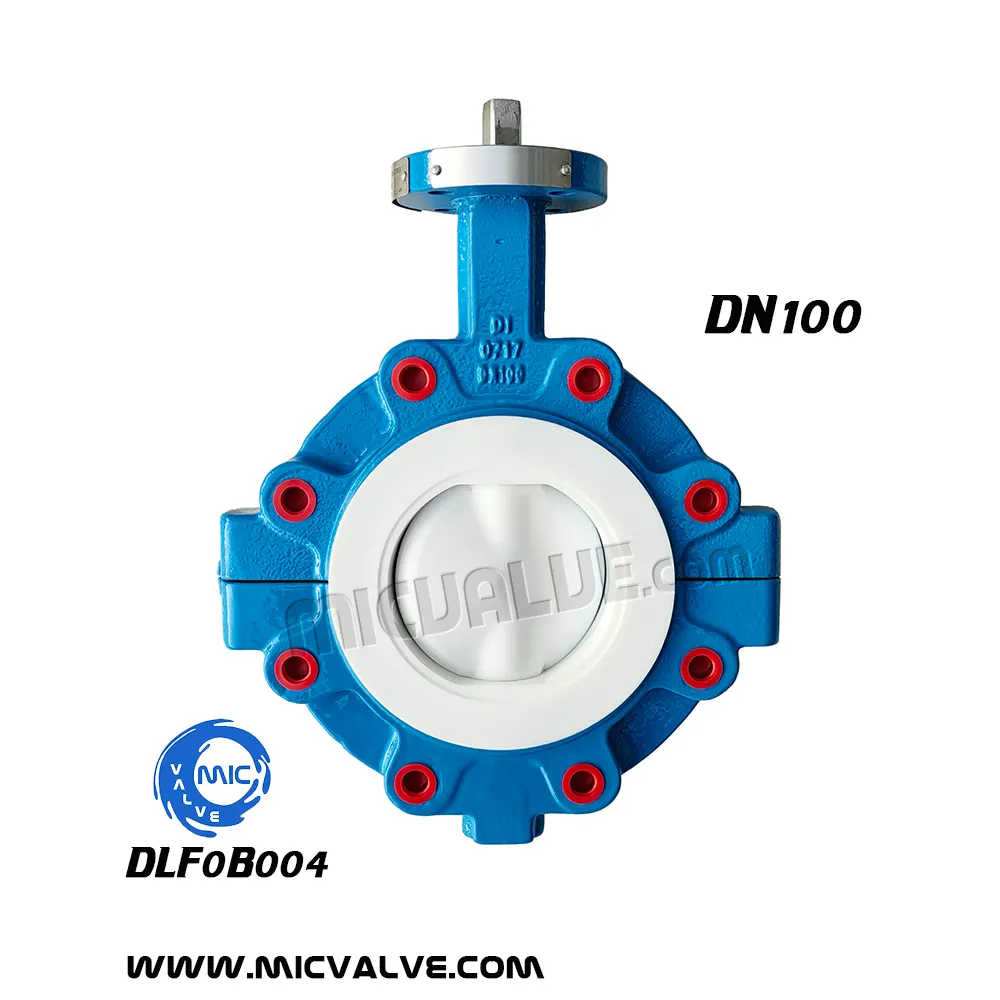
Anti-Corrosive and PTFE-Lined Butterfly Valves for Aggressive Media
Explain lined and anti-corrosive butterfly valves from catalog families and warehouse photos, without invented chemical-resistance charts.
- An anti-corrosive or lined butterfly valve isolates the metal body from the fluid with a polymer liner or a corrosion-resistant seat and disc. The usual reason to specify one is a chemical, seawater, or demineralized-water duty that would attack an unlined iron body.
- PTFE seats and liners are listed on several MIC wafer butterfly models. PTFE is chosen for chemical resistance and a wide fluid list; elastomer seats such as EPDM or NBR are more common on clean water. Only state PTFE when that model’s description or photo overlay says PTFE.
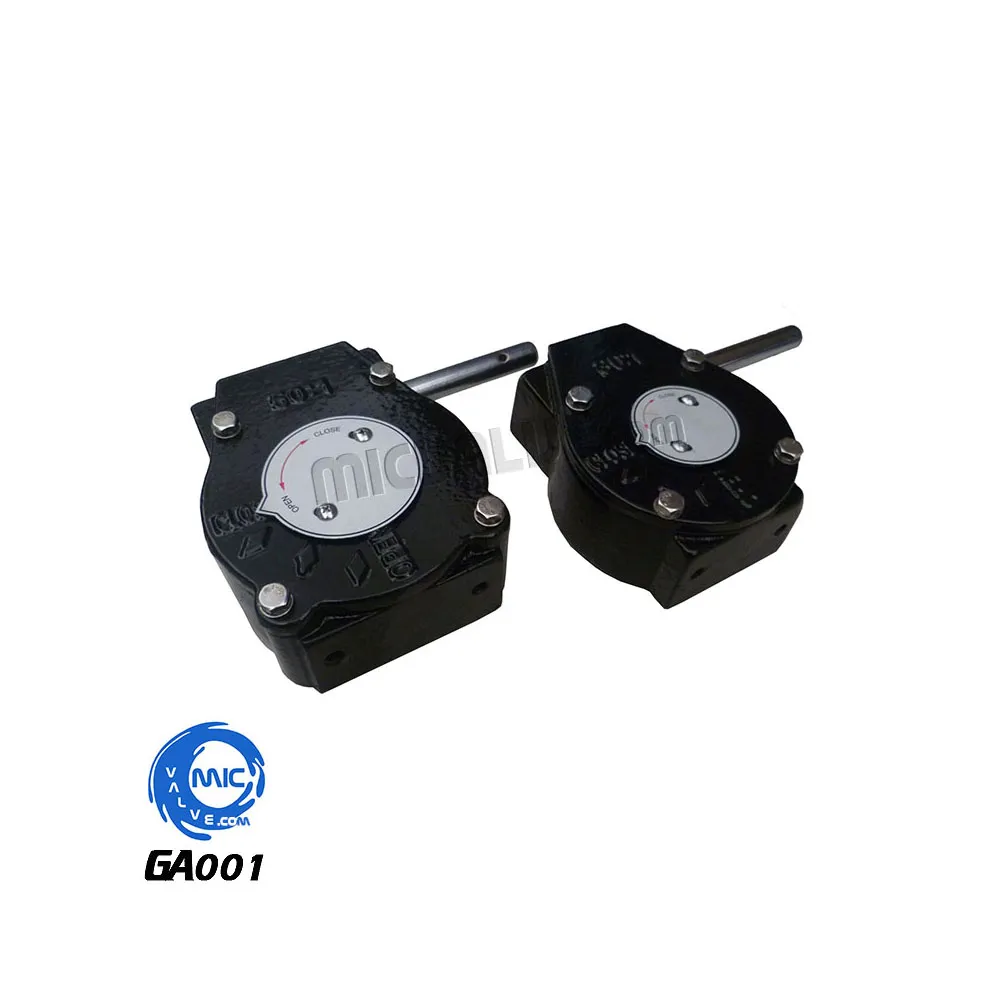
- MIC Valve publishes an anti-corrosive type family, including bare-shaft and lug-type listings with DN marked on the product photos. Bare shaft means the valve is supplied without an operator so a gearbox or actuator can be fitted later.
- Liner integrity depends on correct flange finish, bolt load, and not exceeding the liner’s temperature limit. Those limits are model-specific and are not published on the current product pages—ask for them with the quotation.
- Send the medium, concentration, temperature, DN, and whether you need a lever, gearbox, or bare shaft. Do not assume an anti-corrosive butterfly valve can replace a lined ball valve or a high-performance eccentric butterfly without checking tightness class and temperature.