The load number is the whole argument
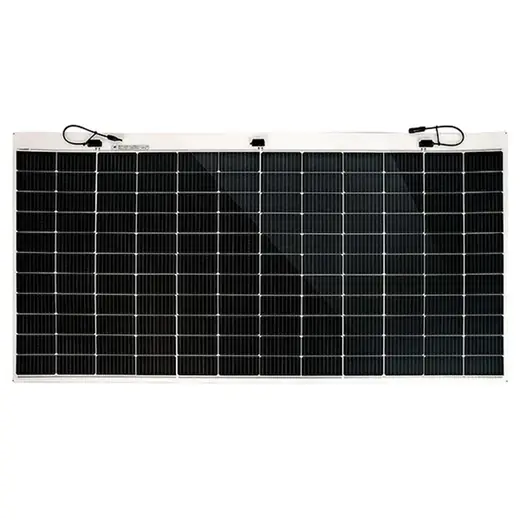
A conventional glass module lands around 11 kg/m² once framed. A Hondol lightweight laminate is 2.9 kg/m² at 1.8 mm thick — under 30% of a traditional glass module. That single number is what turns a structural report from 'not feasible' into 'proceed', and no other property of the module matters until it does.
Adhesive fixing removes the second objection
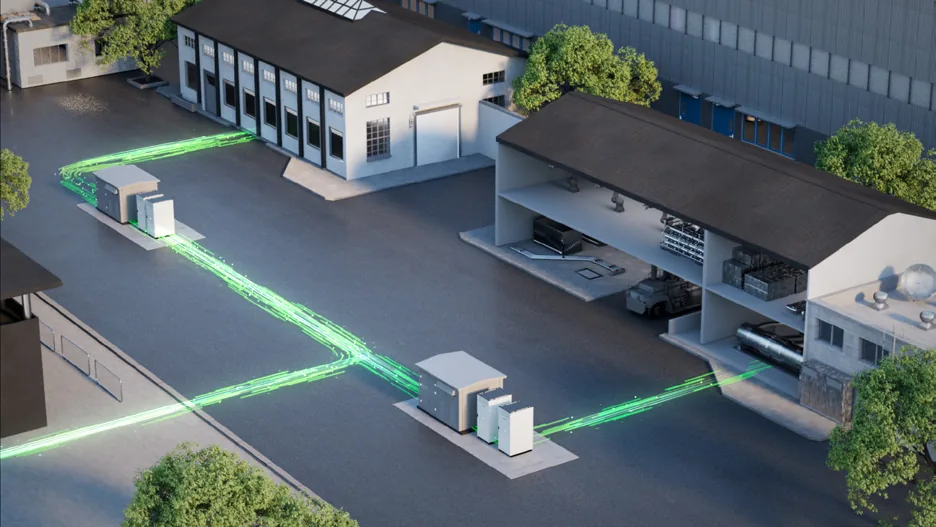
Even where the deck could take the load, building owners refuse drilling and hot work on an operating plant, because a penetration is a future leak and a warranty argument. Structural adhesive fixing on colour steel tile and glazed tile roofs avoids both, and cuts construction time and cost while it does.
Rigidity has to come from somewhere
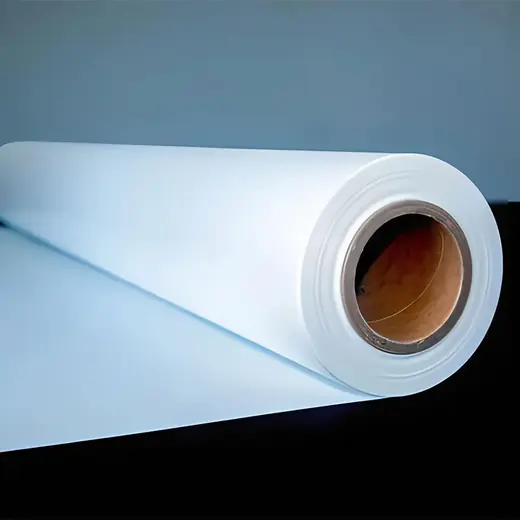
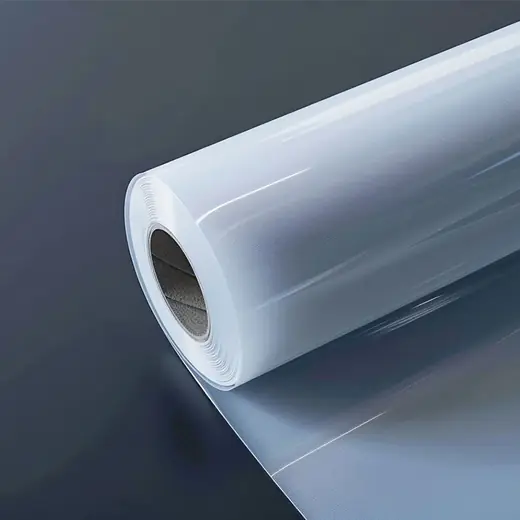
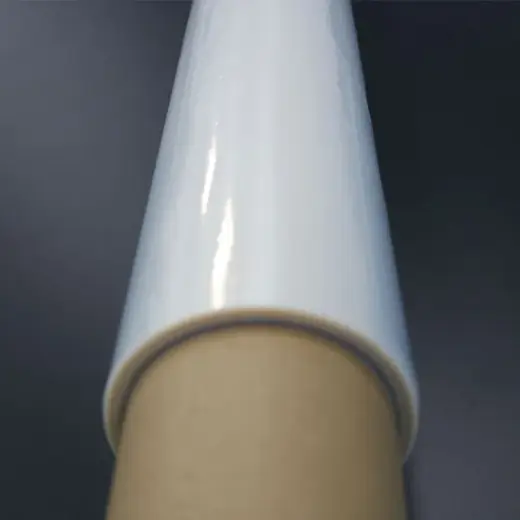
Take away the glass and the cells will flex into micro-cracks unless something stops them. In these modules the job is split three ways: a transparent structural sheet at the front, a 100–160 µm prepreg absorbing impact right against the cells, and a strengthened backsheet from 540 µm to 1000 µm behind them. The hail specification follows from that stack — 25 mm hail at 82.8 km/h on the 520 W module, with degradation under one fifth of the international standard limit.
The bending radius opens new sites
A 0.3 m minimum bending radius is not a rooftop feature, it is what makes carport canopies, greenhouse arches, vehicle roofs and curved façades addressable at all. Those are sites a glass laminate cannot serve at any price.
What you give up
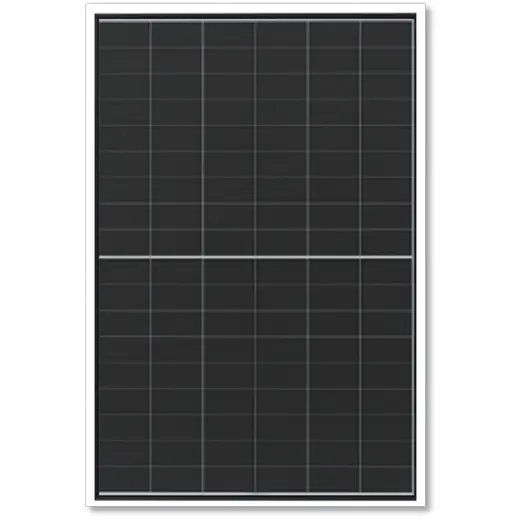
Efficiency per square metre is slightly below the best glass modules — up to 23.0% on the n-type ABC lightweight construction against 23.8% on the best rigid module — and first-year degradation on the flexible 520 W module is ≤2.5% rather than ≤1%. On a roof that could not carry glass at all, that is not a real trade.