Is the module bifacial?
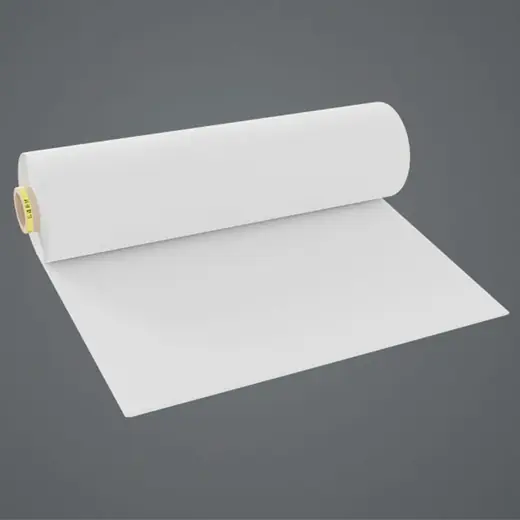
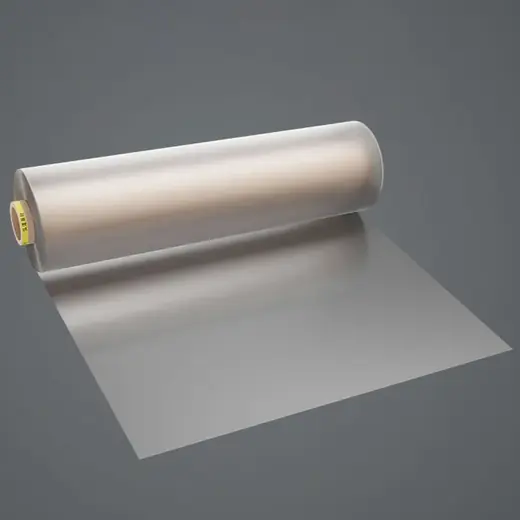
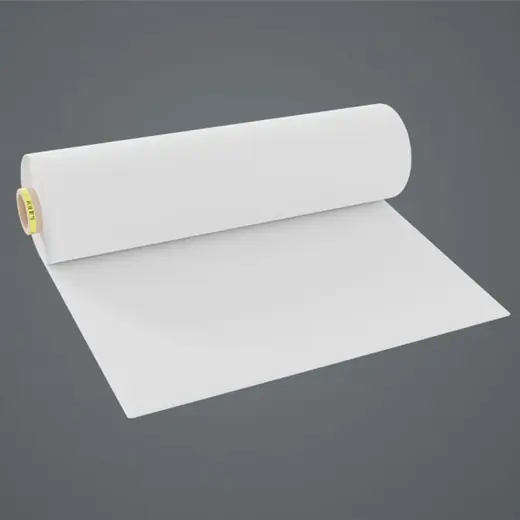
This is the first fork and it removes most of the range. A bifacial module needs light through the rear, so the candidates are the transparent CPC at 303 µm, the transparent high-barrier HD-CPPC-T at 321 µm, or a grid construction. A monofacial module is better served by a white or black backsheet that reflects inter-cell light back into the cells instead of losing it out of the back.
How moisture-sensitive is the cell?
PERC tolerates a conventional 303 µm PET construction. TOPCon, HJT and perovskite do not — they need a water vapour transmission rate in the 10⁻² to 10⁻³ g/m²·day band, which means either the transparent high-barrier backsheet or, where rear generation is not part of the model, the aluminium-based construction with its 15–30 µm metal layer.
Is inter-cell light worth recovering?
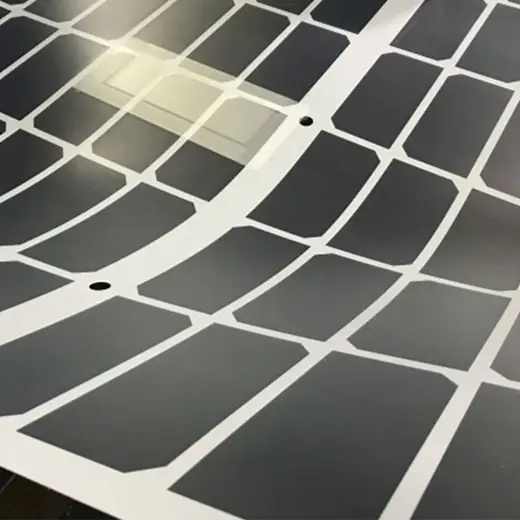
On a monofacial glass-backsheet module it usually is. A grid backsheet puts a 15 µm reflective coating exactly where the cell gaps are and returns 1% to 2% of annual energy yield, while still removing over 15% of module weight against conventional solutions.
Does the module have to look black?
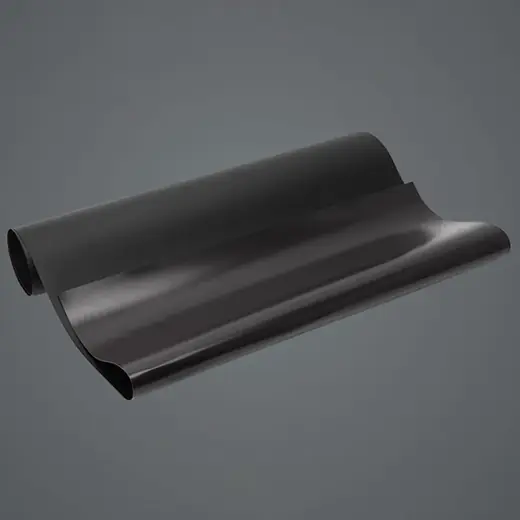
If it does, the cost is normally CTM. The high-reflection black series recovers an average of +2.66% against conventional black backsheets, and comes as double-sided black where the rear is visible or white outer / black inner where it is not.
Does procurement require fluorine-free?
Then the question becomes heat and UV endurance, because that is where fluorine-free constructions have historically failed. The Fenix HD-CPC-NW construction holds 230°C without yellowing, stays stable long-term at 200°C, and resists cracking through 1000 kWh/m² UV and 200 kWh/m² damp-heat UV.
Is the module glassless?
Then the backsheet is also the structure. HD-SG runs from 540 µm to 1000 µm, reflects above 80% against conventional CPC's 70%, and holds water transmission below 0.5 g/m²·day against conventional CPC's 2.0 g/m²·day — because there is no rear glass doing either job.