The three materials you will actually be quoted
Bathroom hardware is made from stainless steel, zinc alloy, or copper and its alloys. Most quoted differences in price between two visually identical fittings come down to which of these is under the finish, and to how much of the part is that material rather than just the visible surface.
Stainless steel
Stainless steel resists corrosion through the whole section rather than relying on a coating. That is the property that matters in a bathroom, because every fitting eventually gets chipped at a fixing point. SUS304 is the common specification; SUS201 is a lower-cost stainless with less nickel and correspondingly less corrosion resistance, which shows up first in humid coastal and chlorinated pool environments.
Where stainless is worth insisting on
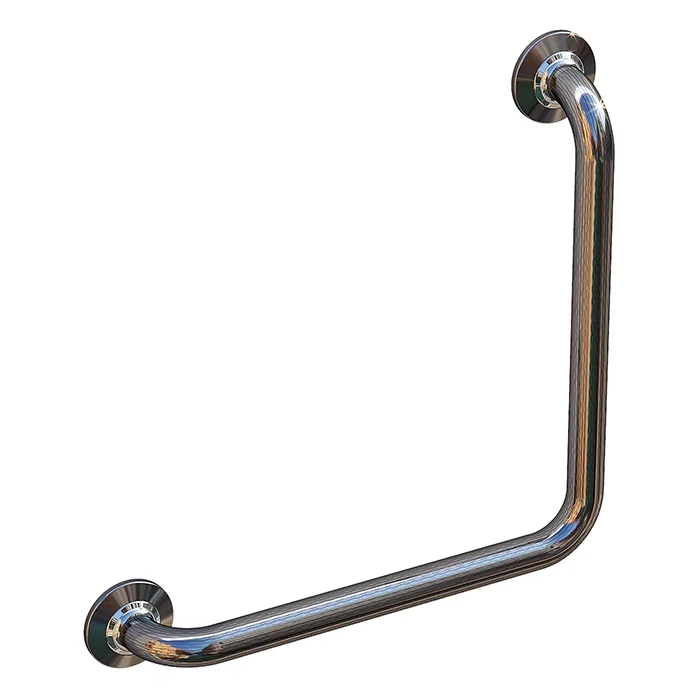
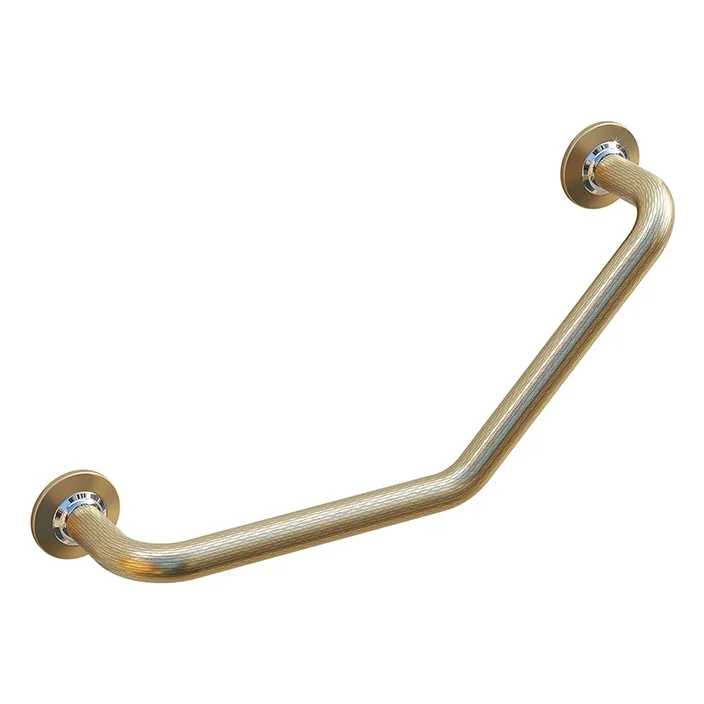
Grab bars, shower seats, floor drains, niches and commercial washroom dispensers. In each case the fitting is either load-bearing, permanently wet, or cleaned with aggressive chemicals — sometimes all three. In our range these categories are specified in SUS304, including the flanges and fixing plates rather than only the visible tube.
Zinc alloy
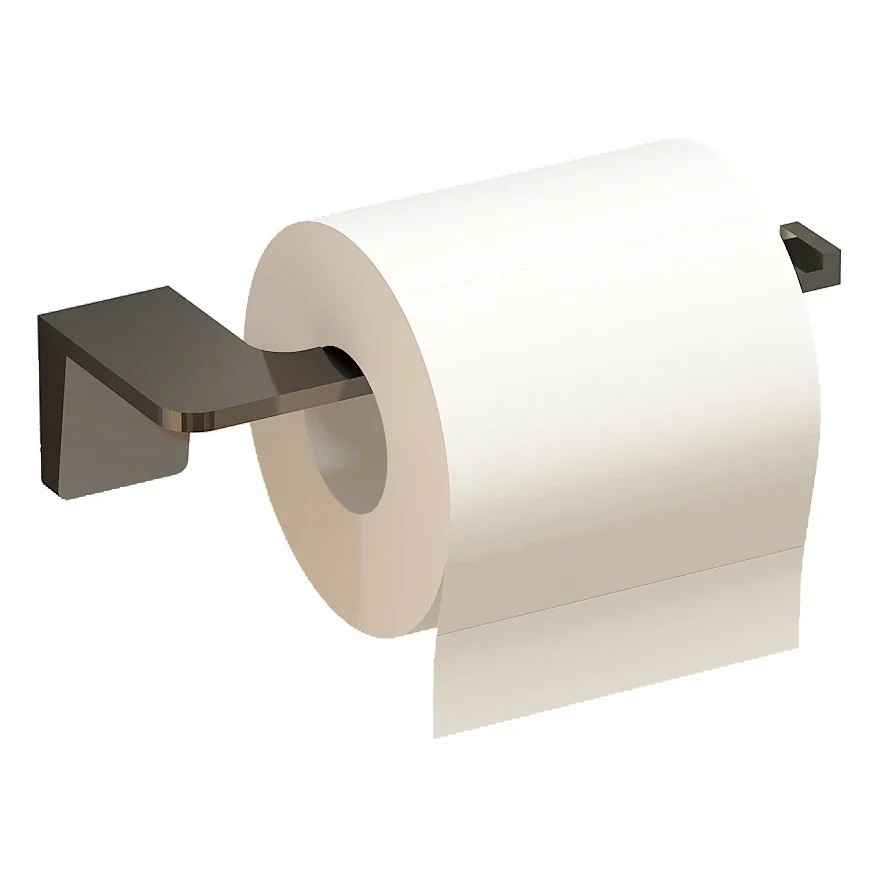
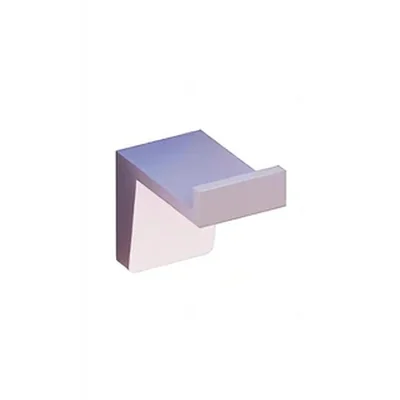
Zinc alloy die-casts into complex shapes cheaply and takes a plated finish well, which is why it is common in decorative accessories such as robe hooks, paper holders and brush holders. It is a reasonable material for those parts. It is a poor material for a wetted water path or a load-bearing support, and the failure mode is usually cracking at a stress point rather than surface corrosion.
Brass and copper
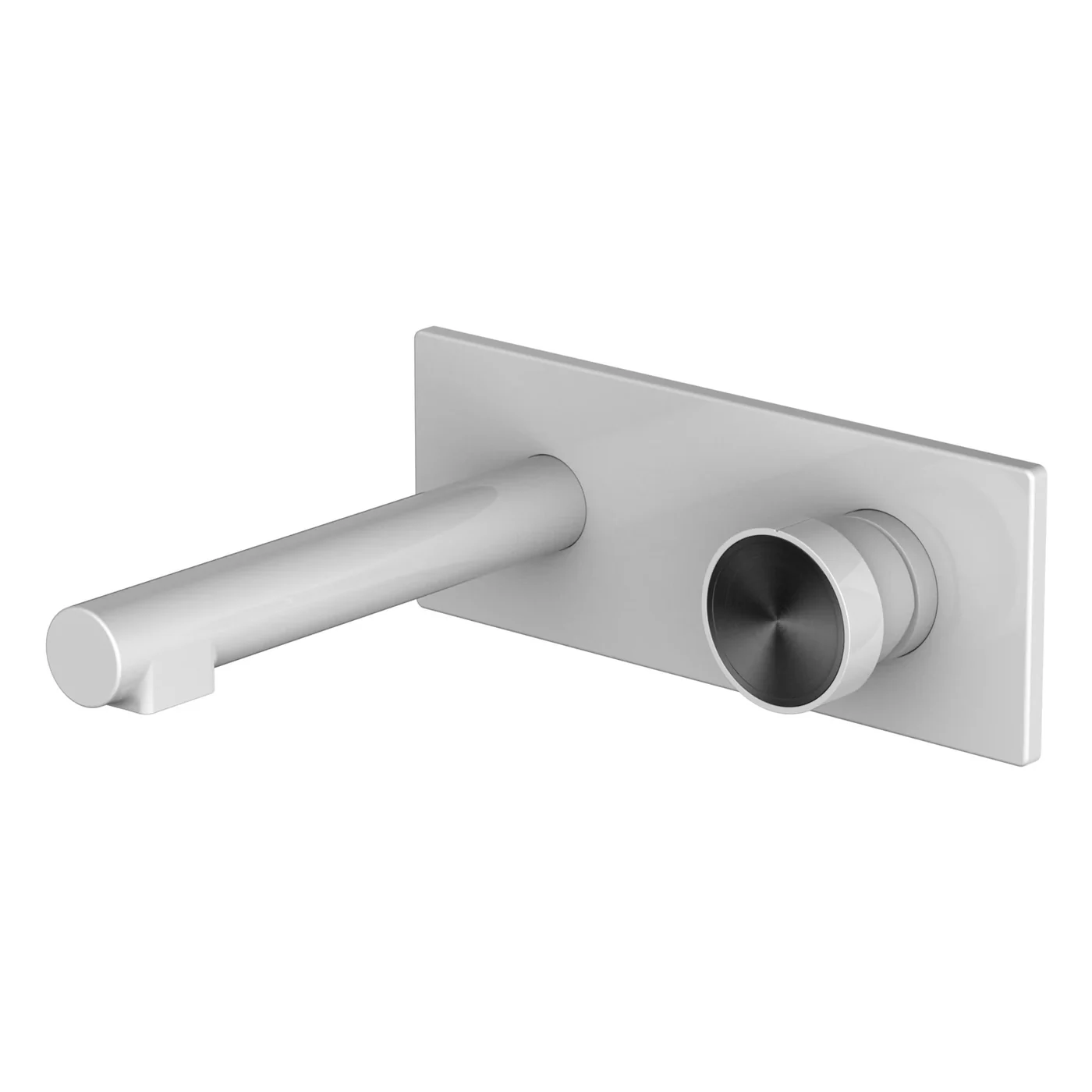
Copper alloys belong in the wetted body of tapware. Our kitchen tapware series uses an HPB59-1 copper body with a copper handle and a SUS304 bend pipe. The reason to care is the cartridge seat: zinc bodies sold as brass fail there first under commercial duty cycles, and by then the fitting is in the wall.
How to read a material line on a datasheet
A line reading 'zinc alloy + copper base' is telling you the decorative body is zinc and the part that carries load or water is copper. That is a legitimate and common construction for an accessory. A line reading only 'zinc alloy' on a tap body is telling you something different. Every product page on this site prints the material exactly as our datasheet states it, including the combinations.
Timber in wet areas
Teak and oak appear in our shower seats over stainless frames. Teak is the traditional wet-area timber because its natural oil content resists water ingress. The reason to use it in a shower seat is not only technical: a timber and stainless seat does the same job as a moulded plastic one without making the bathroom read as medical equipment.