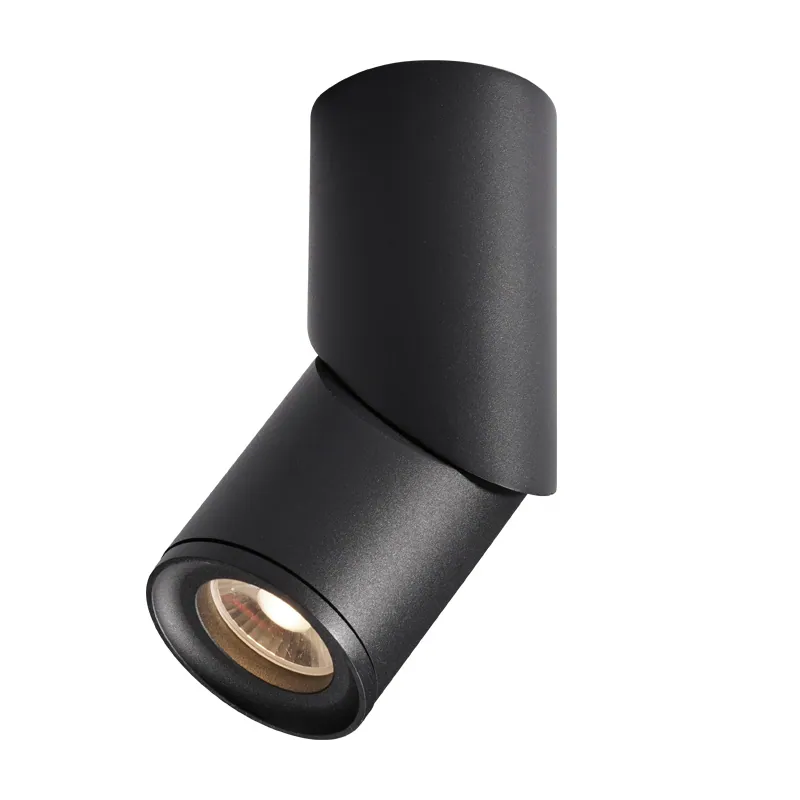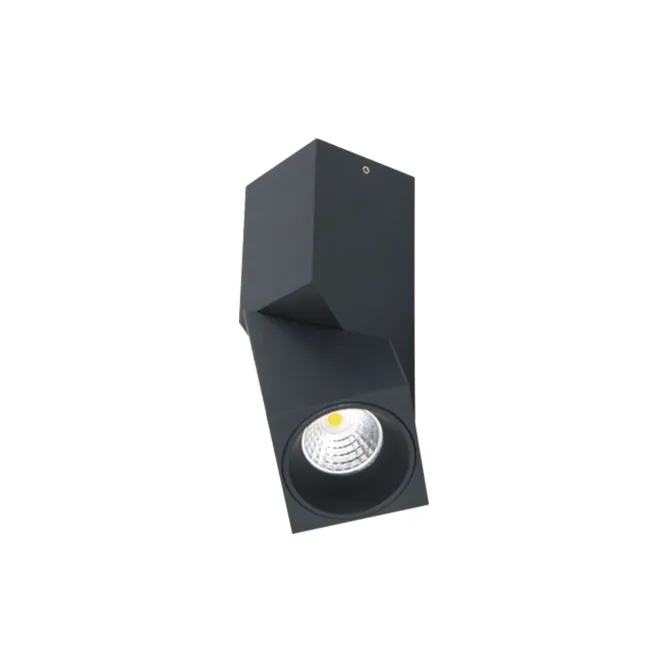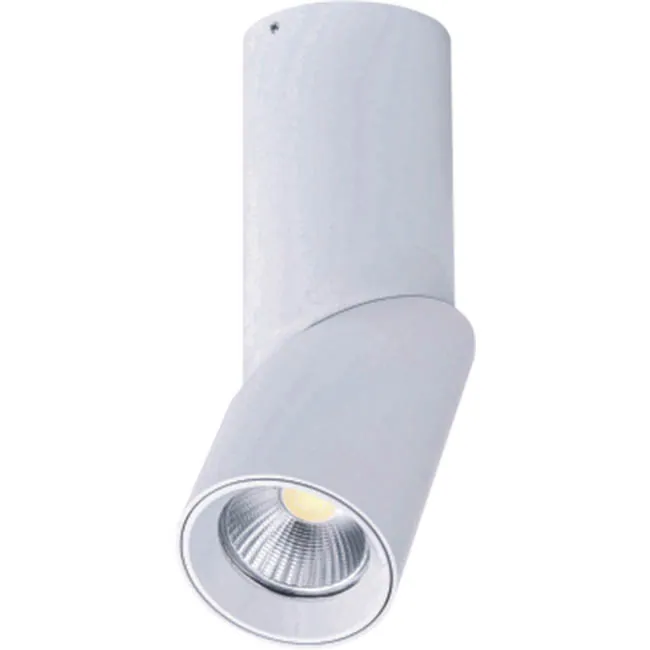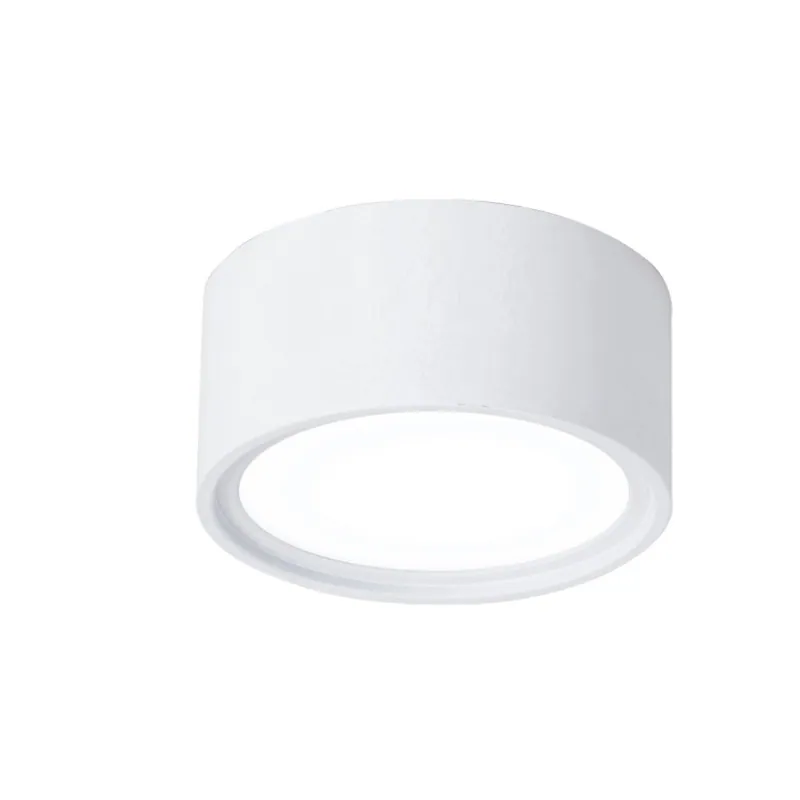
Down lights have become a pivotal element in modern lighting design, particularly in China, where innovation meets tradition. As urban spaces evolve, the demand for efficient and aesthetically pleasing lighting solutions has surged. This guide delves into the significance of down lights, exploring their impact on ambiance, energy efficiency, and design versatility.
Readers can expect to gain a comprehensive understanding of down lights, including their types, installation techniques, and the latest trends in the Chinese market. We will also discuss the technological advancements that enhance their functionality and sustainability. By the end of this guide, you will be equipped with the knowledge to make informed decisions about down lights for various applications.
Illuminating Choices: a Comprehensive Guide to LED Downlights in China
China has emerged as a prominent player in the LED lighting industry, boasting numerous manufacturers offering a wide array of LED downlights. This guide delves into the world of Chinese-manufactured LED downlights, exploring their diverse types, technical features, and key considerations for selection. Companies like GRNLED (grnled.com), AiDiWatt Lighting (aidiwattlighting.com), Jasionlight (jasionlight.com), KLM Lighting (klmlighting.com), and IDownlight (www.idownlight.com) represent the breadth and depth of this market.
Understanding LED Downlights
LED downlights are recessed lighting fixtures installed in ceilings, directing light downwards. Their popularity stems from their sleek design, energy efficiency, and versatility. They are widely used in residential, commercial, and industrial settings. The core components include the housing, reflector (or lens), LED driver, LED chips, and PCB.
Key Technical Features
The performance and lifespan of LED downlights depend heavily on their technical specifications. Here’s a comparison of critical features:
| Feature | Description |
|---|---|
| LED Chips | Determines brightness, color accuracy, and energy efficiency. Brands like Cree, Citizen, Osram, and Epistar are common. |
| LED Driver | Regulates power to the LEDs, influencing lifespan, dimming capabilities, and efficiency. Lifud, Eaglerise, and Mean Well are examples of reputable brands. |
| Housing Material | Affects heat dissipation and durability. Die-cast aluminum and lathe aluminum are preferred for their heat conductivity. Plastics are often used in budget-friendly options. |
| Reflector/Lens | Shapes the light beam, impacting beam angle and light distribution. Materials include PMMA (polymethyl methacrylate) and various plastics. |
| Dimming | Allows for adjustable brightness. Common methods include TRIAC, PWM, DALI, and 0-10V. |
| IP Rating | Indicates the level of protection against dust and water ingress. IP65 is suitable for damp locations, while IP44 is for less demanding environments. |
| CRI (Color Rendering Index) | Measures color accuracy. Higher CRI values (above 90) provide more natural color reproduction. |
| Wattage | Determines the light output. Wattage selection depends on the area and desired brightness. |
Types of LED Downlights
Several types of LED downlights cater to various design and functional needs:
| Type | Description | Advantages | Disadvantages |
|---|---|---|---|
| Fixed Downlights | Light emits in a fixed direction. | Simple, cost-effective, uniform light distribution. | Lack of adjustability. |
| Adjustable Downlights | The light direction can be adjusted. | Versatility in highlighting specific areas or objects. | More complex mechanism, potentially higher cost. |
| Gimbal Downlights | Offers both tilting and rotating capabilities. | Maximum flexibility in directing the light beam. | Most complex and expensive. |
| Surface Mounted Downlights | Mounted directly onto the ceiling surface, not recessed. | Easy installation, suitable for ceilings that cannot be recessed. | Less aesthetically pleasing, may protrude significantly from the ceiling. |
| Waterproof Downlights | Designed for damp or wet locations (IP65 rated or higher). | Suitable for bathrooms, kitchens, and outdoor applications. | Higher cost, more complex design. |
| Multiple Downlights | Integrate multiple light heads in a single fixture. | Efficient for widespread illumination, offering multiple adjustable light points. | More complex design and potentially higher installation cost. |
| Smart Downlights | Integrate with smart home systems for remote control and automation. | Convenience, energy savings through automation. | Higher initial cost, dependency on smart home system. |
Choosing the Right LED Downlight
Selecting appropriate downlights involves considering several factors. These include the size and layout of the space, the desired brightness level (lumens), color temperature, dimming capabilities, and IP rating. For example, AiDiWatt Lighting (aidiwattlighting.com) offers a broad range of options to suit diverse needs. GRNLED (grnled.com) emphasizes quality and reasonable pricing. KLM Lighting (klmlighting.com) highlights its fast delivery and diverse product range.
Conclusion
The Chinese LED downlight market offers a vast selection of products to meet diverse needs and budgets. By understanding the technical specifications and the various types available, consumers and businesses can make informed choices that enhance both aesthetics and functionality. Jasionlight (jasionlight.com) and IDownlight (www.idownlight.com) showcase the commitment of some manufacturers to high-quality components and customization.
FAQs
1. What is the difference between COB and SMD LEDs?
COB (Chip on Board) LEDs integrate multiple chips on a single substrate, producing a uniform light output. SMD (Surface Mount Device) LEDs are individual chips mounted on the PCB, offering design flexibility.
2. How do I determine the correct wattage for my space?
Calculate the area of the room and determine the required lumens per square foot based on the application. Then, divide the total lumens needed by the lumens per watt of the chosen downlight to find the required wattage.
3. What is the importance of CRI in LED downlights?
CRI (Color Rendering Index) measures how accurately colors are rendered under the light source. Higher CRI values (above 90) are preferred for applications where accurate color representation is crucial.
4. How long do LED downlights typically last?
High-quality LED downlights can last for 50,000 hours or more, significantly longer than traditional incandescent or halogen bulbs. However, this depends on the quality of components and proper installation.
5. What are the benefits of using dimmable LED downlights?
Dimmable LED downlights provide flexibility in adjusting the brightness to suit different moods or activities, enhancing energy efficiency and creating a more personalized lighting experience.